

Home Medical Consultations
Samaritanus Ambulance is dedicated to providing high-quality medical services directly to our patients’ homes. Our team of professionals is prepared to offer a wide range of medical services, thus ensuring continuity of care and patient comfort.
Our services include:
Vital Signs Assessment
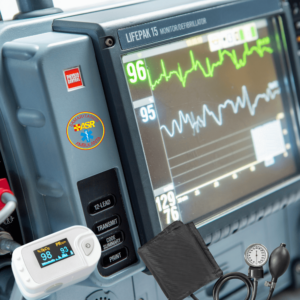
 Blood Pressure Measurement
Monitoring blood pressure is essential for detecting hypertension or hypotension, conditions that can have serious implications for the health of the heart and other vital organs.
The pulse provides important information about the heart rate and the health of the cardiovascular system. A pulse that is too fast (tachycardia) or too slow (bradycardia) can indicate problems that require immediate treatment.
Oxygen saturation reflects the body’s ability to transport oxygen to the tissues. Low levels can signal respiratory or circulatory problems and may require rapid intervention.
Vital signs assessment is a fundamental part of any medical consultation because:
- It provides an overview of the general state of health. It helps in the rapid identification of hidden or emerging medical problems.
- It is crucial in monitoring people with chronic conditions, such as high blood pressure, lung diseases, or heart failure.
- It guides medical decisions, including the administration of treatment and recommendations for further investigations.
These measurements are the starting point for a correct diagnosis and an effective treatment plan. Carried out in a timely manner, they can prevent complications and save lives.
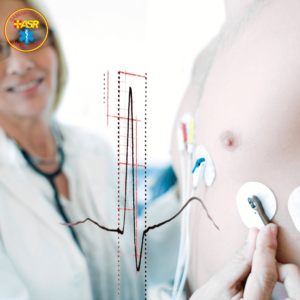 Electrocardiogram (ECG)
The ECG is an essential non-invasive investigation for assessing heart health. It measures the electrical activity of the heart and can detect:
Signs of myocardial infarction (past or ongoing).
Problems with the conduction of electrical impulses in the heart, such as heart blocks.
Cardiac stress or changes associated with other conditions.
The ECG can identify cardiovascular problems before symptoms become severe, helping to prevent major complications such as a heart attack.
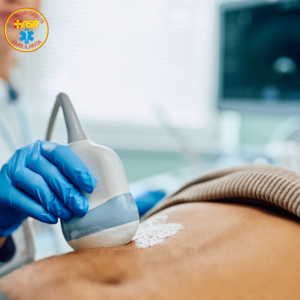
Abdominal Ultrasound
This is a safe and effective imaging method that uses ultrasound to examine internal organs, such as the liver, kidneys, gallbladder, pancreas, and spleen.
Through abdominal ultrasound, the following can be detected:
- Gallstones or kidney stones.
- Inflammation or infections of the abdominal organs.
- Tumors or other abnormal formations.
- Structural changes of the internal organs.
 Why is this evaluation important?
Abdominal ultrasound allows for the early detection of serious conditions that might otherwise go unnoticed. It is a quick, non-invasive investigation with no side effects, making it ideal for diagnosing abdominal problems.
These investigations, carried out with state-of-the-art portable equipment, ensure a rapid and accurate diagnosis, without the need to travel to a clinic or hospital.
Complete Clinical Consultation

The complete clinical consultation consists of a detailed physical examination, covering all aspects of the patient’s health, from head to toe. It includes:
- General status assessment
- Observation of obvious signs of illness or discomfort.
- Analysis of hydration status, skin color, and energy level.
- Systematic examination
Head and neck: checking the health of the eyes, ears, nose, and throat for signs of inflammation, infections, or other conditions.
Heart and lungs: listening to heart and respiratory sounds to detect possible abnormalities such as heart murmurs, arrhythmias, or lung problems.
Abdomen: palpating the abdomen to check for tenderness, possible masses, or other abnormalities.
Limbs: examining the joints, muscle strength, and peripheral circulation.
Additional tests during the consultationIf necessary, the doctor can supplement the examination with investigations such as blood glucose measurement or other rapid tests, using portable equipment.
- It allows for a thorough assessment of the general state of health and the identification of conditions in their early stages.
- It helps in understanding the patient’s medical context, including risk factors such as lifestyle or family history.
- It guides the decision-making process for further investigations or the initiation of prompt treatment.
This type of examination is an essential step in establishing a correct diagnosis and ensuring personalized medical care.

Analysis of collected data
- Integration of results from the vital signs assessment, diagnostic investigations, and the complete clinical consultation.
- Corroboration of the information with the patient’s medical history for a clear picture of their health status.
Formulation of the diagnosis
- Identification of the main cause of the symptoms or detected medical conditions.
- Diagnosis of acute conditions (e.g., infections, hypertensive crises) or chronic ones (e.g., diabetes, heart failure).
Development of a personalized treatment plan
- Recommendation of the optimal treatment, tailored to the specific needs of the patient.
- The treatment may include medication, lifestyle changes, or other necessary interventions.
Clearly communicate the next steps
- Explanation of the diagnosis and treatment in language accessible to the patient.
- Providing practical advice for managing the health condition.
Administration of Treatment
 Depending on the medical needs identified following the consultation, the doctor can administer treatments directly at the patient’s home. These may include:
Medications in the form of pills, capsules, or syrups, recommended for treating various conditions.
Intramuscular injections used for the rapid and effective administration of drugs, such as analgesics, antibiotics, or other necessary treatments.
Infusion or intravenous injections for treatments that require rapid and direct absorption, such as hydration, administration of antibiotics, or correction of electrolyte imbalances.
- In some cases, the doctor may administer intravenous, intramuscular, or oral treatments to reduce the discomfort caused by pain. This approach, called pain therapy, aims to:
- Provide a written recommendation, detailing the medical history and the reasons for referral to a specialist.
 Important: We do not take requests for major, life-threatening emergencies. In such cases, it is essential to call 112 or go to an emergency room immediately.